
Chief Executive Officer
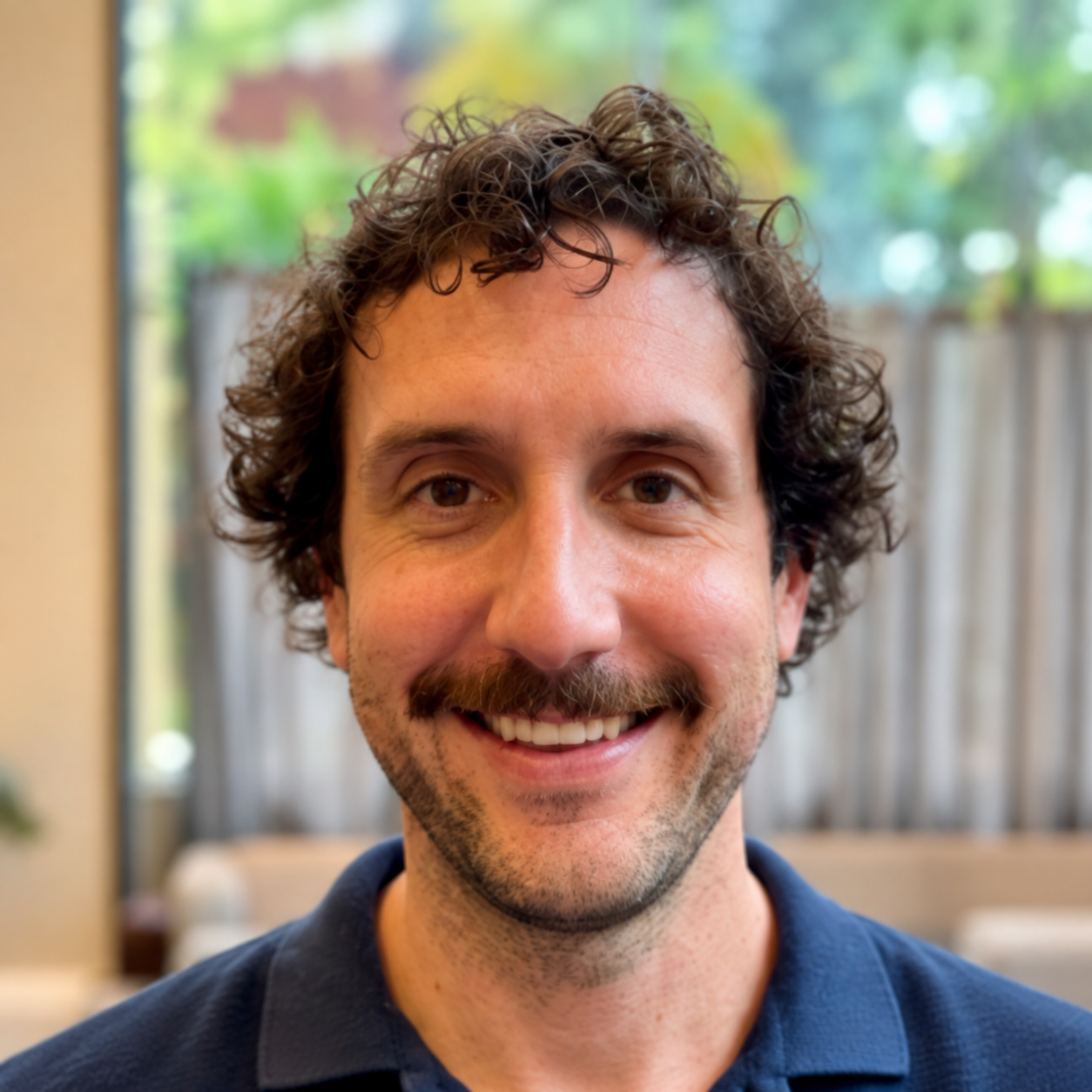
Andrew Friedl, MS, MBA
Systems engineering, data science, modeling, and lived experience with a TWNK mutation.
Cancer care × performance status
Mito Map connects patient-reported energy, daily function, treatment context, and recovery on one longitudinal timeline.
For cancer centers, survivorship programs, investigators, foundations, and patient organizations.
Illustrative trajectory—not patient data or a clinical prediction.
What the science supports today
Clinical studies have connected cancer-related fatigue or functional impairment with mitochondrial respiration, gene expression, mitochondrial DNA measures, skeletal-muscle oxidative capacity, and at-home digital measures of activity and gait. The literature supports measurement and further study; it does not establish mitochondria as the single cause of cancer-related fatigue.
Wearable activity and gait measures reflected performance status, physical function, and fatigue.
Karahanoglu et al., 2025 ↗ Radiation therapy · prostate cancerFatigue increased as Complex III-linked mitochondrial respiration decreased.Hsiao et al., 2018 ↗ Combined ADT + radiotherapy · prostate cancerPatient fatigue was studied alongside mitochondrial oxygen consumption.Feng et al., 2020 ↗ Survivorship · breast cancerWhole-blood mitochondrial gene expression was examined in relation to persistent fatigue.Kleckner et al., 2022 ↗ Post-treatment · multiple cancer typesMuscle oxidative capacity was paired with objective function and patient-reported outcomes.Gonsalves et al., 2024 ↗Cancer-related fatigue is multifactorial. Energy tracking should complement—not replace—clinical evaluation for anemia, pain, sleep disruption, mood, nutrition, medication effects, disease activity, and other contributors. Read the National Cancer Institute overview ↗ Several influential prostate-radiotherapy studies come from the same research program and may include related cohorts. Independent replication, larger samples, and broader cancer populations are still needed.
Company overview
Mito Map organizes symptoms, function, treatments, labs, recovery, and lived context into a longitudinal record. The cancer energy program extends that platform toward a focused question: can we make declining or recovering capacity visible early enough to support better research and better conversations?
Meet Mito MapLeadership
Systems engineering, data science, modeling, and lived experience with a TWNK mutation.
Nuclear engineering, technology operations, organizational scale, and disability advocacy.

Preventive medicine, public health, cancer survivorship, and mitochondrial disease experience.
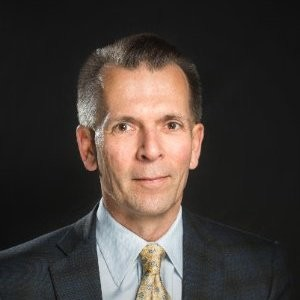
Cancer partnerships, business development, and external collaboration.
Partner network
Mito Map is developing the cancer energy program as a partnership surface. Each organization can contribute a different part of the evidence pathway.
Define cohorts, workflows, clinical context, and the questions that matter at the point of care.
Connect longitudinal function with mitochondrial biology, treatment exposures, and rigorous analysis.
Shape meaningful outcomes, equitable recruitment, communication, and participant value.
Add home-based activity, gait, sleep, and recovery signals that clinic snapshots can miss.
These are proposed collaboration roles, not a claim that organizations in these categories currently endorse or partner with Mito Map.
Research roadmap
Test participation burden, completion, trajectory quality, and the relationship among patient energy, function, treatment timing, and optional wearable measures.
A proposed remote study testing whether model-derived energy and home-measured function move together within the same person over time.
Bring oncology, rehabilitation, mitochondrial biology, digital measurement, and patient leadership together around shared endpoints and study design.
Build the evidence with us
We’ll shape a low-burden first collaboration around your population, expertise, and research goals.
Partner with Mito Map