15
condition and symptom tracking paths for complex chronic illness patterns.
Mito Map began with a simple problem: people living with mitochondrial disease and mitochondrial dysfunction often carry years of symptoms, labs, treatments, crashes, and unanswered questions in their heads. We wanted a better way to hold that story.
Mito Map’s mission is to make the lived experience of mitochondrial illness easier to see, understand, and share. We organize complex health histories into clear, meaningful timelines that help patients and families recognize patterns, prepare for care, and have more informed conversations with clinicians and researchers—without oversimplifying the biology or losing the person behind the data.
We are not trying to replace the clinician. We are trying to make the patient's lived timeline easier to see. Andrew Friedl, CEO
Mitochondrial illness does not always show up as one clear problem. It can look like fatigue, weakness, brain fog, pain, stomach issues, sleep trouble, exercise intolerance, crashes after activity, or long recoveries from ordinary days.
For many patients and families, the hard part is not just having symptoms. It is explaining the pattern. A lab result may matter, but so may a week of poor sleep, a new medication, a supplement change, a viral illness, or a crash after pushing too hard.
Mito Map grew out of that reality. We are building it for people who need their health story to be easier to see, easier to remember, and easier to share.
A complicated illness still deserves a clear story.
Our goal is not to make the biology sound simple. It is not simple. Our goal is to make the lived experience less invisible.
We believe patient stories contain useful information when they are organized with care. Patterns over time can help people ask better questions, prepare for appointments, and notice what is changing.
Mito Map is one attempt to bring structure to that story without flattening it.
Symptoms, energy, crashes, recovery, and function are not side details. They are part of the story.
People should not have to rebuild years of history every time they meet a new clinician.
Mito Map is meant to support medical conversations, not replace doctors or promise easy answers.
Mito Map began from the need to hold years of symptoms, labs, treatment changes, crashes, recovery patterns, and appointment questions in one clearer story.
The product now includes profile building, timelines, condition-specific tracking pages, visit preparation, and saved map submissions.
Validation protocol pages help people track functional changes over time with clear boundaries: useful for records and care conversations, not a standalone diagnosis.
Research dashboards, intervention evidence workspaces, and topic tools help organize mechanisms, papers, interventions, and open questions.
Organization mapping, referral handoffs, and community workflows are part of making mitochondrial and complex-illness navigation less isolated.
Organize symptoms, labs, treatments, crashes, and appointment questions.
Start a profileKeep updates and care context together when helping someone else.
Create an accountReview a clearer functional and symptom history before the conversation gets rushed.
See clinician workflowConnect lived timelines, repeat measures, and research questions without flattening complexity.
Open research toolsUse organization mapping and referral handoffs to help people find practical next steps.
See organization map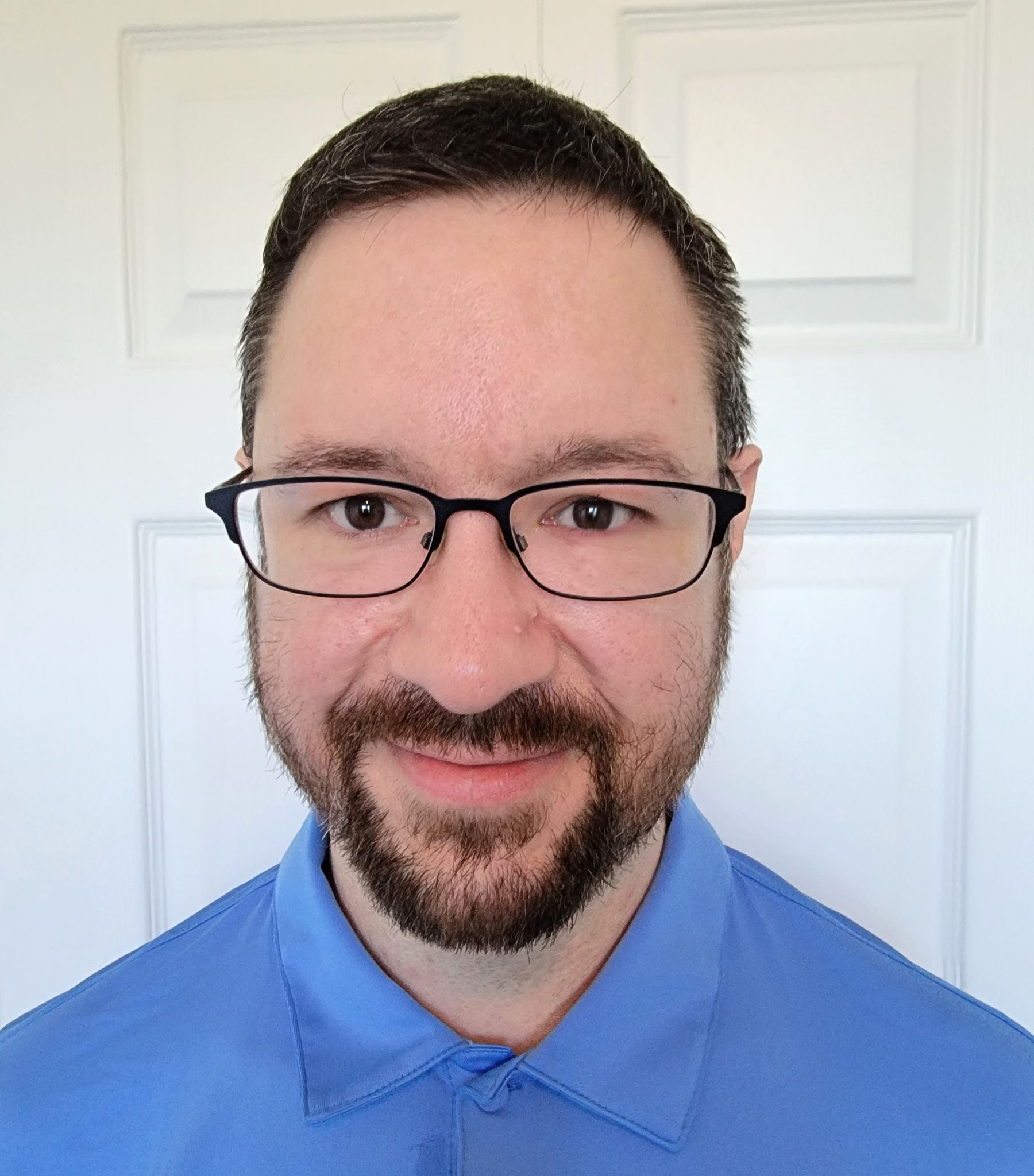
Andrew brings systems engineering, data science, finance, and modeling experience to Mito Map. He is also personally affected by a TWNK mutation, which shapes how he thinks about patient complexity and long-term tracking.
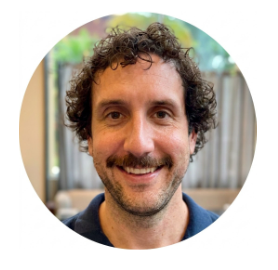
Kyle is a Penn State nuclear engineer with an EMBA from Quantic. He is an executive at Google and leads Disability Alliance, bringing operations, scale, and advocacy experience to the work.
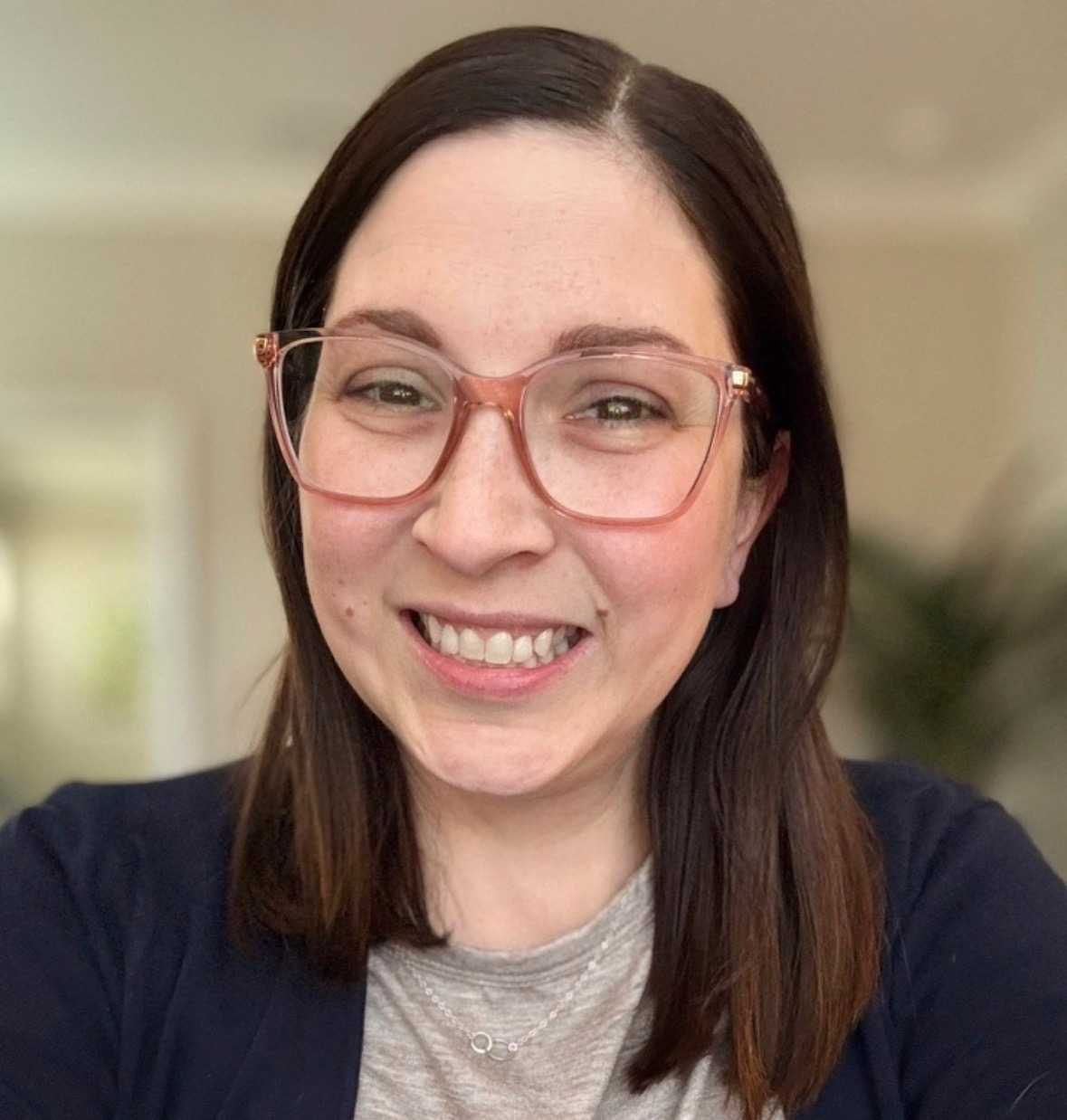
Deborah is a Loyola-trained physician with a background in preventive medicine and public health. She has experience diagnosing mitochondrial disease and is personally affected by a POLG mutation.
We are here because people with complex illness deserve tools that take their story seriously. Mito Map is being built by people who understand that the details matter, the timeline matters, and the patient should not have to carry the whole map alone.